
TV Installation Safety: Protect Your Walls and Devices
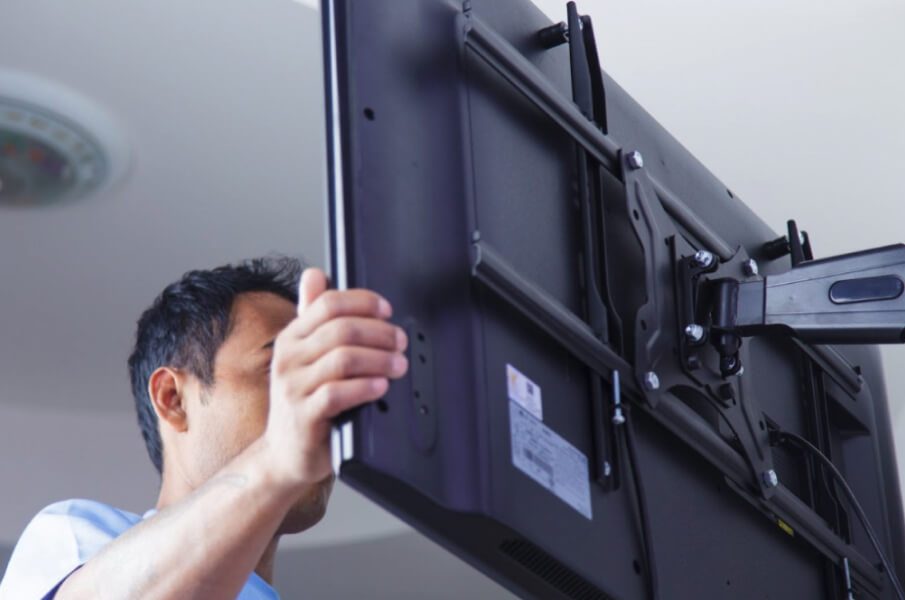
TV installation may appear simple, but it can quickly result in damaged walls, equipment, and injury. With some planning, the right equipment, and an understanding of safety protocols, the right people can avoid accidents that later on proved costly to fix. Safe mounting is key to securing your equipment, but it can also improve viewing experience and room aesthetics. In this article, we shed light on how to mount a television securely without compromising the wall or the device itself.
Selection of Wall and Mount
Choosing an appropriate wall is Step 1 of TV safety. That said, walls made of dense materials like brick or concrete can withstand only heavier devices. Other mounting surfaces, like drywall, may need extra bracing or special anchors, too. There are three basic types of mounts for a TV: fixed, tilting, and full-motion–and they each cater to different needs for both viewing and safety.
Key points to consider include:
Weight capacity: Ensure the mount will support the weight of the TV.
Wall material: Make sure the material of the wall is strong enough to hold not only the mount, but the device as well.
Eye-level viewing: Place the TV at eye-level so as not to stress.
Plan your routes to prevent sharp bends or pinches where cables can be damaged.
Choosing the correct mount for the type of wall will minimize the force of spills and other stresses on both the speaker mounts and walls. If you are still uncertain, getting a tv installation in Auckland by a professional can be a great way to add peace of mind and accuracy.
Gathering Essential Tools and Equipment
It takes the right tools to do the installation safely. The most frequently used include a stud finder, a level, a drill, screws, anchors, and a screwdriver. If you prepare these first or have them in hand before you start, it minimizes the interruptions and errors.
Stud finder (+) helps identify where things can be mounted to the wall.
Level: Make sure your TV is 100% horizontal
Drill + screws: For stable fixing points
Anchors: Support non-load-bearing walls
It is important that tools are checked to ensure that they are functioning correctly before beginning work. If the stability is compromised due to equipment failure, there is a high possibility for damage to the wall or for the TV to come off the wall mount and come crashing down.
Preparing the Wall and TV
Ensure walls are inspected for cracks, moisture, and unlevel spots before installation. Any lack of it can weaken the mounting area. With exact marking, you will have the opportunity to address the drilling points properly and avoid additional holes.
The same goes for the TV as well, which needs to be handled carefully. For bigger screens, it is advisable that two people carry it; they risk straining themselves and learning the hard way by having to use one hand to relieve the stress from the other. It is important to avoid scratches on the screen while handling the device.
Mounting the TV Safely
Mounting the set to the wall is not a throw-it-over-the-shoulder affair. First have to form pilot holes that will utilize anchors or screws. The anchors are to be installed flush with the surface of the wall.
Ensure that it is horizontal and fastened tightly when securing the mount. From there, you would hook the TV up based on the specs of the mount and then lift it. Check the stability and ensure that the device will not move/unstable after some time by checking all the connections again.
Do not screw too tightly, or it will easily damage the wall or the mount.
Use the Right Hardware If you’ve got a slat wall.
Cable management is a great way to avoid pulling or tangling cables.
Electrical and Cable Safety
Cables must be managed properly for safety and for appearances, too. Do not run wires and cables through busy areas to make sure it does not become a tripping hazard. No electrical outlet shall be overloaded, and all attachments shall conform to the safety standard.
Cable covers or conduits are a great way to add an extra layer of protection, preventing cables from being damaged through accident. Also, leave plenty of slack in cables so you can make adjustments without forcing connectors or ports in one direction. By taking these steps, you can minimize the risk of fire and keep the look tidy.
Common Installation Mistakes
TV installation mistakes can cause some serious issues, too. Some frequent mistakes include:
Not considering wall type: The TV can fall if mounted on unsupported drywall.
Mishandling of weights: This is a no-brainer, but there are still many instances where a mount cannot accommodate the weight of the device.
Misalignment: If you mount the brackets in an uneven way, the growth of the brackets will create stress on the brackets that affects stability.
Faulty cable management: If the cords get tangled or are heavily strained, the ports could be damaged, and even create a fire hazard.
It can help prevent damage to the device and the surrounding environment if homeowners avoid these pitfalls.
When to Seek Professional Assistance
Despite all the preparations, certain installations require the skills of a professional. If you can hire a certified technician with knowledge of complex setups, tools, and experience, you will get things done more easily. A TV installation Auckland service can be helpful if it is a large screen, integrated into a wall, or needs to be aligned perfectly. Experts also observe safety standards, and that gives peace of mind during long-term use.
Conclusion
Safe mounting protects both walls, devices, and viewers. It requires, however, careful planning, the right set of tools, and a detailed attention to guidelines. Choosing correct mounts, masking surfaces, careful equipment handling, and managing cables all help keep your installation safe. Homeowners who are unsure of the process can get some reliable support from professional tv installation Auckland and avoid the expensive blunders. Taking a safe approach can lead to a solid and attractive TV setup that will last for years.

Leave a reply


