
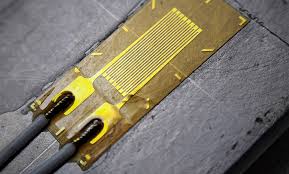
Testing dictates the safety and reliability of millions of products. And strain gauges are an integral part of such assessments. As their main purpose is to measure deformation, they help in acquiring accurate information regarding the behaviour of the structure’s activities under different directions of forces experienced over them. Such devices are now indispensable in verifying that materials and components meet required standards.
Understanding Strain Gauges
A strain gauge in Australia is used to measure minute variations in length on the surface of an object. They function by turning mechanical deformation into an electronic output. This transformation enables engineers to convert physical changes from structures into readable data. This makes them well-suited for sensing small changes that could impact performance or safety. Such accuracy is what makes them very popular in test environments.
Enabling Accurate Measurements
Collecting the right data is essential for effective testing. Real-time feedback on stress and strain is what strain gauges offer. By using them, engineers identify weaknesses before they turn into failures. Being able to spot it during these early stages can prevent a failure that could lead to expensive repairs or a safety risk. Excellent measurements make sure only the right components go ahead in production after passing tests against standards.
Supporting Material Analysis
Choosing materials is always an important project-level decision. Strain gauges provide information to compare the response of these materials to the stress test. Using these sensors, engineers analyse the behaviour of different solutions under specific conditions. This guides them to select the proper materials for these applications. This process is also useful for tuning designs for efficiency and longevity.
Improving Structural Safety
In any industry, safety will always be a major concern. Strain gauges help by locating where excessive stress or fatigue will concentrate. Water level readings are normal and can alert professionals at an early stage before a situation becomes difficult to resolve. This can prevent accidents and prolong the durability of the structures. These disdrometers supplement regular operations testing and form a key element of ongoing maintenance processes.
Enhancing Product Development
In product development, it’s common to iterate on designs to achieve performance targets. You can use the feedback from strain gauges to optimise prototypes. Designers use these tests to make informed adjustments based on how the early models respond to the various forces. This results in more robust and better quality products coming to the market. Less trial and error means less time and development expense wasted.
Supporting Quality Assurance
The key to quality assurance is consistently repeatable results. Strain gauges help more by allowing testing to be done using standardised methods. This is because they make sure every item is tested under the same circumstances. Being consistent helps preserve uniformity across production batches. Consistent data ensures regulatory compliance and keeps customers happy and coming back.
Applications Across Industries
Strain gauges are used in various industries, including construction, aerospace, automotive, and manufacturing. These instruments are used to conduct tests on bridges, aircraft, and vehicles to ensure they are safe and reliable. They can measure static loads as well as dynamic forces due to their versatility. The versatility in application highlights their relevance in contemporary engineering.
Aiding Research and Innovation
Innovation often pushes materials and designs to their limits. Breaking new concepts can be dangerous, but strain gauges help researchers push this limit and understand exactly where some of those breaking points are. The information gathered during these tests serves as important feedback to aid in or adjust subsequently developed products. This has been known for ages, and it helps accelerate progress by revealing the strengths and weaknesses of experimental designs.
Facilitating Predictive Maintenance
Predictive maintenance needs constant health monitoring of the equipment. This can be done by utilising crucial information from strain gauges. They track stress through time to predict when repairs may be required soon. As such, this insight minimises unexpected downtime and enhances operational effectiveness. By predicting when maintenance needs to be done, upkeep becomes proactive and timely, leading to extended machinery life and reduced cost.
Conclusion
In a variety of industries, they have proven to be an essential instrument in testing environments. These sensors are crucial in maintaining safety, optimising performance, and driving innovation through precision, reliability, and versatility. However, without these instruments, testing is too schematic and cannot convey enough detail to reach the right decision. Strain gauges are an important tool when it comes to evaluating materials, structures, or products and therefore represent a key element in producing reliable results.